Manual Handling Training Basics: HSA Guide for Ireland
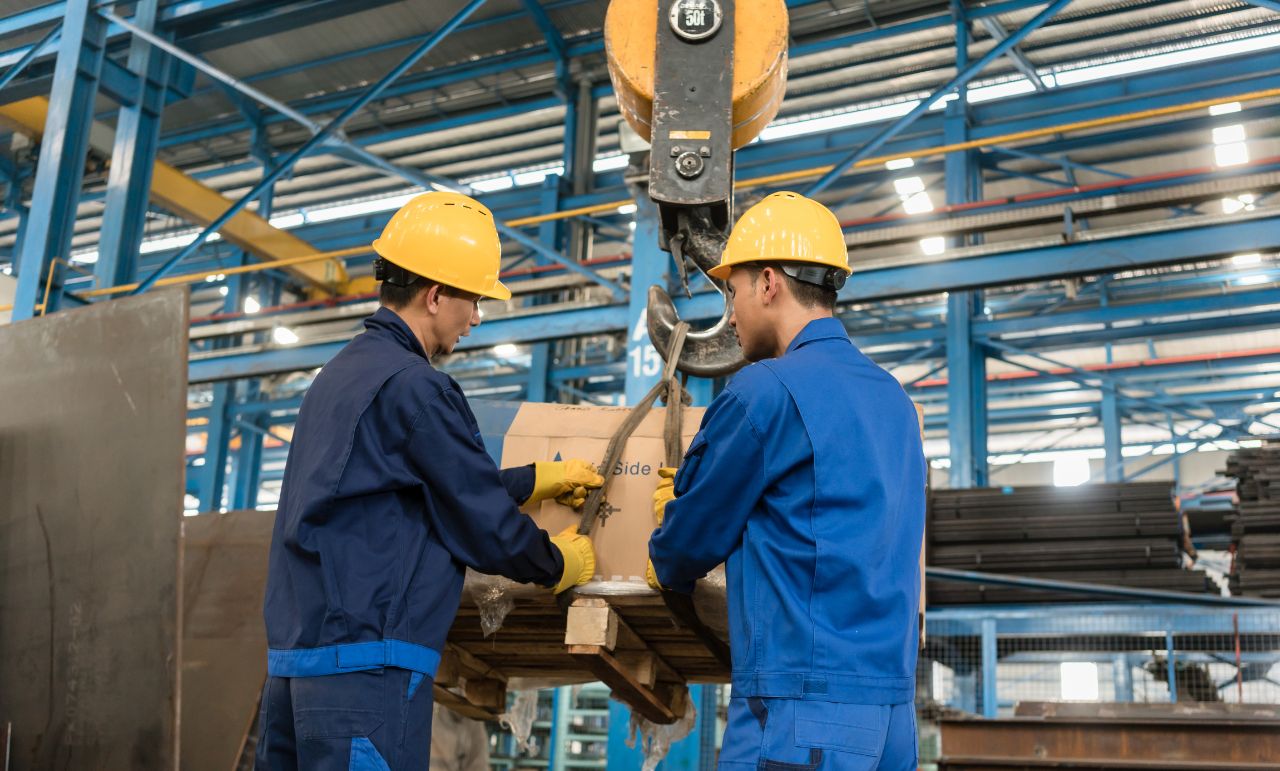
Introduction
Manual handling remains a leading cause of workplace injuries in Ireland, accounting for over 30% of reported incidents according to the Health and Safety Authority (HSA). From lifting heavy boxes in warehouses to moving equipment in healthcare settings, these everyday tasks can lead to serious musculoskeletal disorders if not done properly. As a QQI-certified instructor with years in the field, I've seen how proper training transforms risks into routines. This guide draws directly from HSA resources to outline the essentials of manual handling training, helping employers and employees stay compliant and safe.
What is Manual Handling?
Manual handling refers to any transporting or supporting of a load by one or more employees, including lifting, putting down, pushing, pulling, carrying, or moving. The HSA emphasises that it's not just about heavy weights; even light loads handled awkwardly can cause harm. For instance, repetitive twisting while stacking shelves in a retail environment often leads to back strain over time.
Under the Safety, Health and Welfare at Work (General Application) Regulations 2007, employers must assess manual handling tasks to minimise risks. This starts with identifying hazards, such as uneven floors or poor lighting, which exacerbate issues.
Key Risks and Why Training Matters
The risks of poor manual handling are stark. HSA statistics show thousands of absences annually due to back, neck, and shoulder injuries, costing businesses dearly in productivity and claims. High-risk sectors like construction and healthcare see the bulk, but no workplace is immune—think office workers shifting boxes during a move.
Common injuries include:
- Musculoskeletal disorders (MSDs): Chronic back pain, herniated discs, and repetitive strain injuries.
- Acute strains: Sudden muscle pulls from improper lifting.
- Cumulative damage: Long-term issues from poor posture over years.
Training addresses these by teaching employees to recognise hazards and apply safe methods. It's not optional—regulations mandate it for roles involving manual tasks.
Safe Lifting Techniques: The Basics
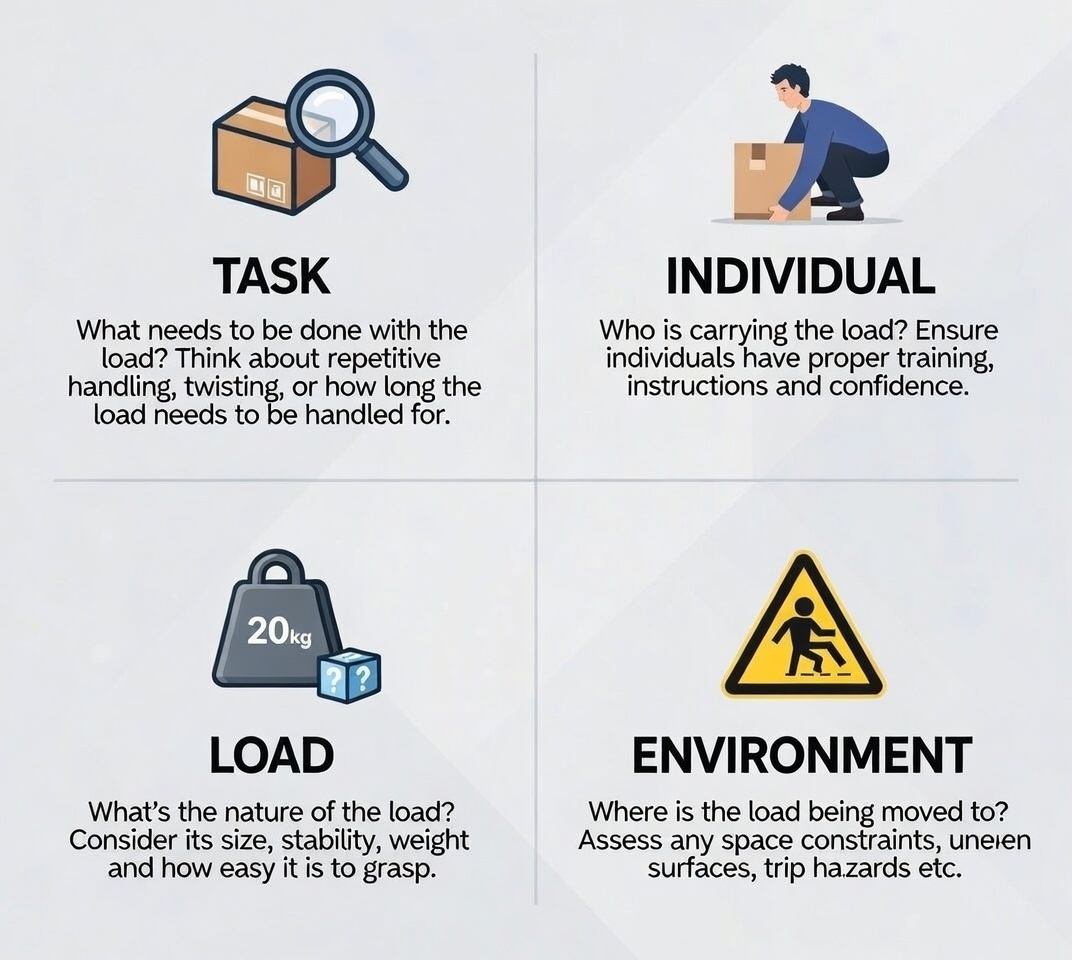
The HSA outlines core techniques to prevent injuries. Here's a practical breakdown:
- Plan the lift: Assess the load's weight, shape, and destination. Clear the path of obstacles.
- Position your feet: Stand with feet hip-width apart for a stable base, one foot slightly forward.
- Bend at the knees: Keep your back straight and squat down to the load, not bending from the waist.
- Grip firmly: Use your whole hand, not just fingers, ensuring a secure hold.
- Lift smoothly: Rise using your leg muscles, keeping the load close to your body.
- Avoid twisting: Turn with your feet, not your torso, when changing direction.
- Set down carefully: Reverse the process, lowering with bent knees.
For team lifts, coordination is key—designate a leader to give commands and ensure everyone moves in sync.
Legal Requirements in Ireland
Irish law places responsibility on employers to:
- Conduct risk assessments for all manual handling tasks.
- Provide appropriate training to employees before they undertake such tasks.
- Supply mechanical aids where reasonably practicable (e.g., trolleys, hoists).
- Monitor and review practices regularly.
Employees also have duties: to follow training, report hazards, and use provided equipment properly. Non-compliance can result in HSA inspections, improvement notices, or prosecutions.
Conclusion
Manual handling training isn't just a box to tick—it's a vital investment in workplace safety and wellbeing. By understanding the risks, mastering proper techniques, and staying current with certification, both employers and employees can prevent injuries that disrupt lives and livelihoods. The HSA provides excellent resources to supplement this guide, and our courses are designed to make compliance straightforward and practical. Ready to protect your team? Explore our training options today.
Written by Eamonn G. - Lead Instructor
Eamonn is a QQI Level 6 certified manual handling expert with over 8 years training workers in high-risk Irish industries like construction and healthcare. Passionate about injury prevention, Eamonn designs practical sessions that meet HSA standards, empowering teams with straightforward, effective strategies for long-term safety.
Get Certified Today
Get your QQI-certified manual handling course online. Complete in under 1 hour with instant certification from €30.
Start Your Manual Handling Course